

Hear from Our Customers
You can’t fix what you can’t see. Mold hides behind walls, under floors, in crawl spaces—places you’d never think to check until symptoms start showing up or the damage gets expensive.
Professional mold testing gives you the full picture. Air sampling detects spores you can’t see. Thermal imaging finds moisture trapped in places you can’t reach. Lab analysis tells you exactly which species you’re dealing with and whether it’s a health risk.
That clarity matters when you’re making decisions about your home. You’ll know if you need remediation or if you’re dealing with normal levels. You’ll have documentation if you need to file an insurance claim. And you’ll have peace of mind that your family isn’t breathing in something dangerous every day.
Early detection can save you thousands compared to letting a small problem turn into full-blown contamination. It can also protect your home’s value—undetected mold can drop property values by 20-37% when it finally surfaces during a sale.
We provide third-party mold testing throughout Lakeside, PA and Bucks County. We don’t do remediation, which means we have zero incentive to exaggerate your problem or recommend services you don’t need.
That separation matters. When the same company tests and remediates, there’s a built-in conflict of interest. We test, analyze, and report—nothing more. If you need remediation, we’ll tell you. If you don’t, we’ll tell you that too.
We’ve been serving Lakeside and the surrounding areas long enough to understand how Pennsylvania’s humid summers and temperature swings create the perfect conditions for mold growth. Homes here—whether they’re older properties with aging infrastructure or newer builds with HVAC condensation issues—face real moisture challenges. We know where to look and what to test for.
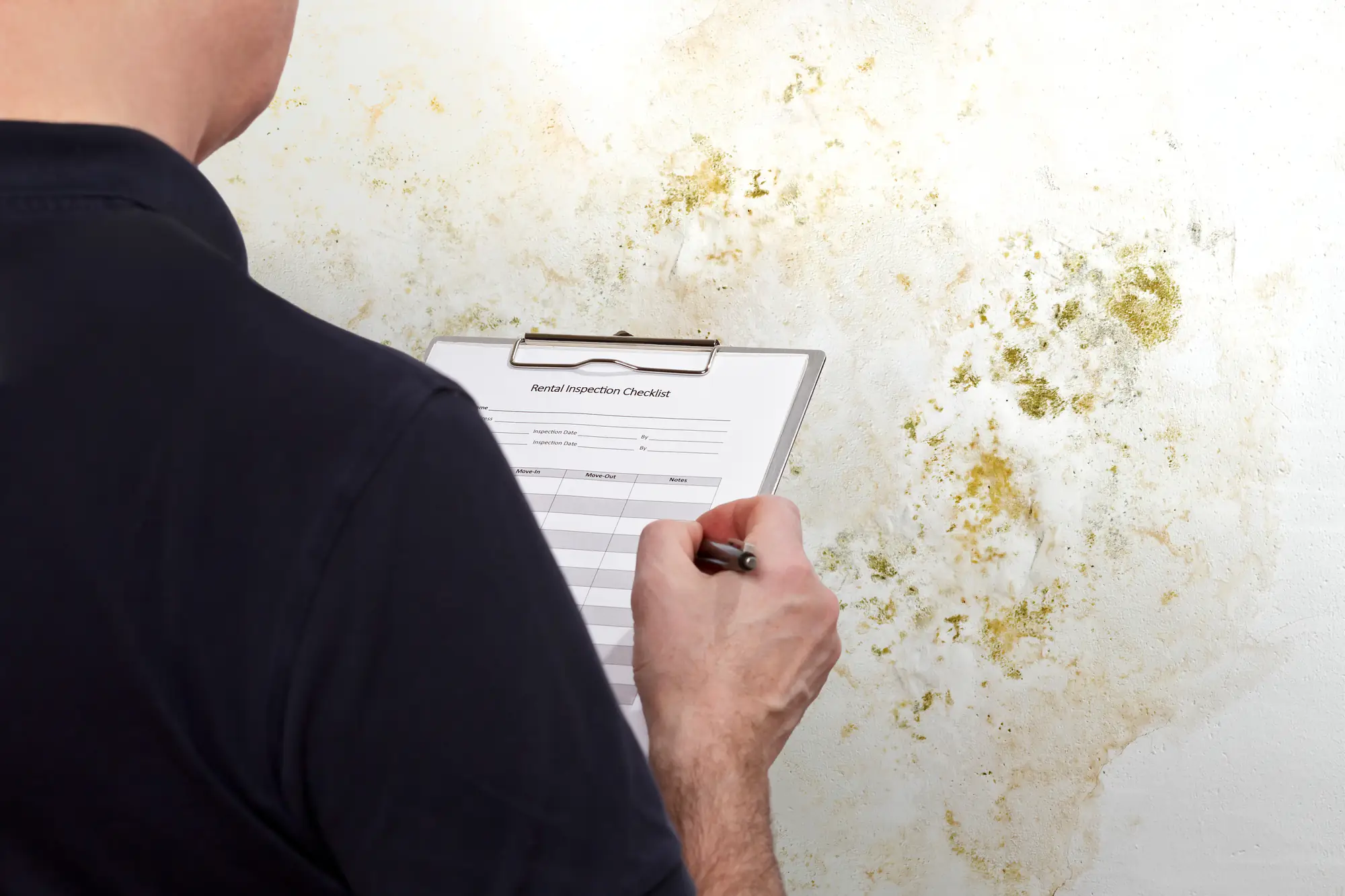
We start with a visual inspection of your property—checking areas where moisture tends to accumulate and mold typically grows. Bathrooms, basements, attics, crawl spaces, around windows and doors. We’re looking for visible growth, water damage, condensation, and any signs of past leaks.
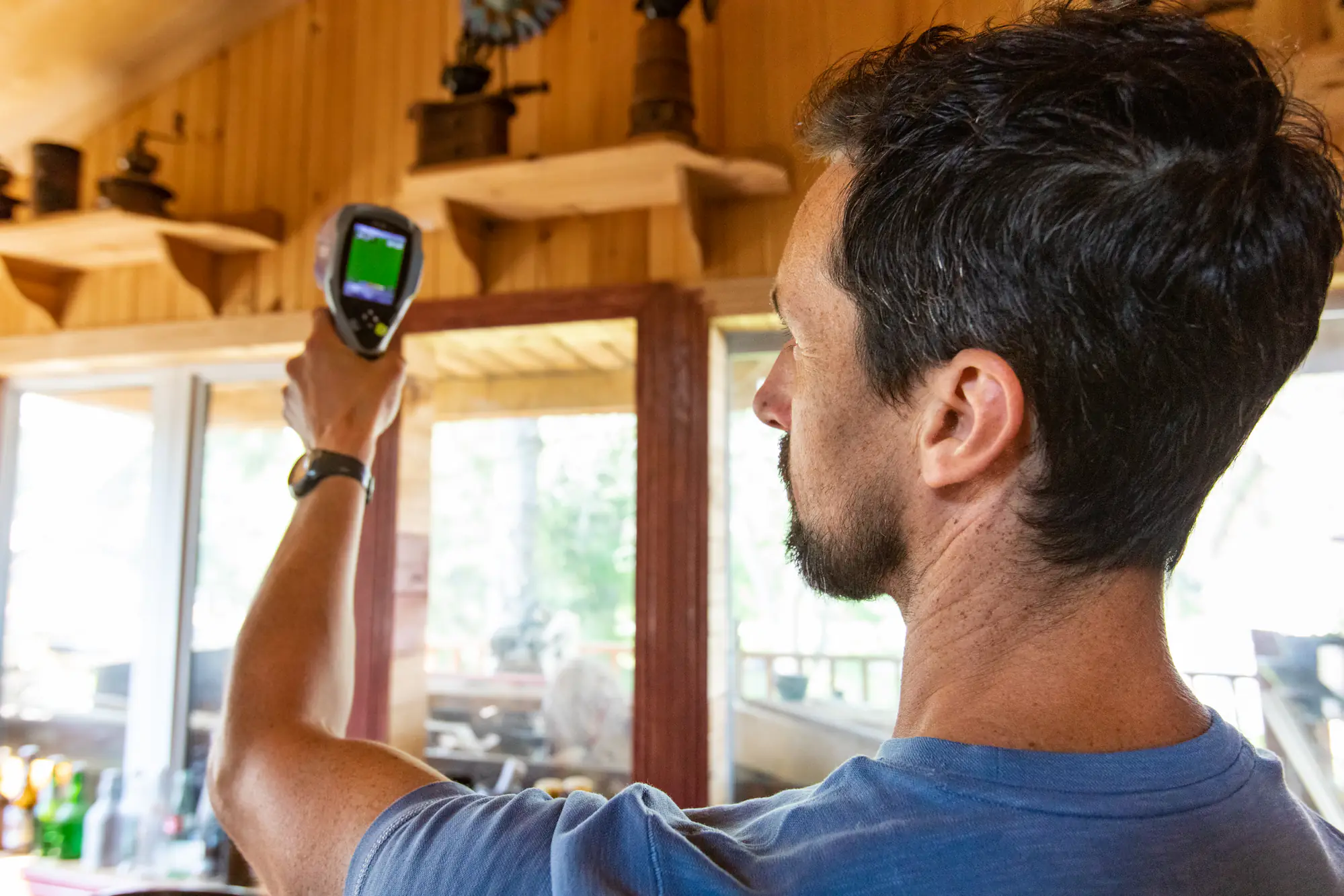
Next, we use moisture meters and thermal imaging to detect problems you can’t see. These tools find moisture trapped inside walls or ceilings and temperature differences that indicate hidden mold colonies. If we find concerning areas, we take air samples and surface samples to send to a certified lab.
The lab analyzes those samples to identify mold species and measure spore concentration levels. You’ll get a detailed report that includes lab results, photos, moisture readings, and our professional interpretation of what it all means. We’ll explain which areas are problematic, what health risks exist, and what your next steps should be.
Turnaround time is typically 3-7 business days for lab results. Once you have your report, you’ll know exactly what you’re dealing with and can make informed decisions about remediation, insurance claims, or simply monitoring the situation.
Ready to get started?
Every mold testing service we provide includes a thorough visual inspection of your property, moisture detection using professional-grade meters, and thermal imaging to identify hidden problem areas. We take air samples to capture airborne spores and surface samples from any visible growth or suspicious areas.
All samples go to an independent, certified laboratory for analysis. You’re not getting a quick visual assessment—you’re getting scientific identification of mold species and spore concentration levels that tell you whether you’re dealing with normal background levels or a contamination problem.
In Lakeside and throughout Bucks County, we pay special attention to the moisture issues that plague homes in this region. Pennsylvania’s humid summers create serious problems in attics where outdoor moisture gets trapped. Basements deal with groundwater and condensation. Older homes have aging plumbing and roofing that lead to leaks. We know what to look for because we’ve seen how mold behaves in this climate.
Your final report includes everything: lab results, photographs of problem areas, moisture readings, thermal images, and a clear explanation of findings. If remediation is needed, you’ll have the documentation to support insurance claims and the information to make smart decisions about next steps.
Professional mold testing typically runs between $300 and $800 depending on the size of your property and how many samples need to be collected. That might sound like a lot upfront, but it’s a fraction of what you’d pay if a small mold problem turns into full-blown contamination.
Remediation costs can easily hit $3,000 to $20,000 when mold spreads throughout a home. Early detection through professional testing catches problems while they’re still manageable and less expensive to fix.
The cost covers a thorough inspection, moisture detection, thermal imaging, air and surface sampling, laboratory analysis, and a detailed report with findings and recommendations. You’re paying for scientific accuracy and independent results—not a sales pitch disguised as an inspection.
Because companies that both test and remediate have a built-in conflict of interest. If they make money from the cleanup, they have an incentive to find problems—even when they’re minor or don’t exist.
Industry standards recommend that all mold testing be performed by third-party inspectors who are separate from remediation companies. It’s the same reason you wouldn’t let a student grade their own exam.
Independent testing gives you unbiased results. We don’t profit from remediation, so we have no reason to exaggerate your situation. If you have a problem, we’ll tell you. If you don’t, we’ll tell you that too. You get honest answers and can make decisions based on facts, not fear.
Yes, but not by looking through walls. Air sampling is the key to finding hidden mold because it captures spores that are circulating from concealed colonies behind drywall, under flooring, or in other inaccessible areas.
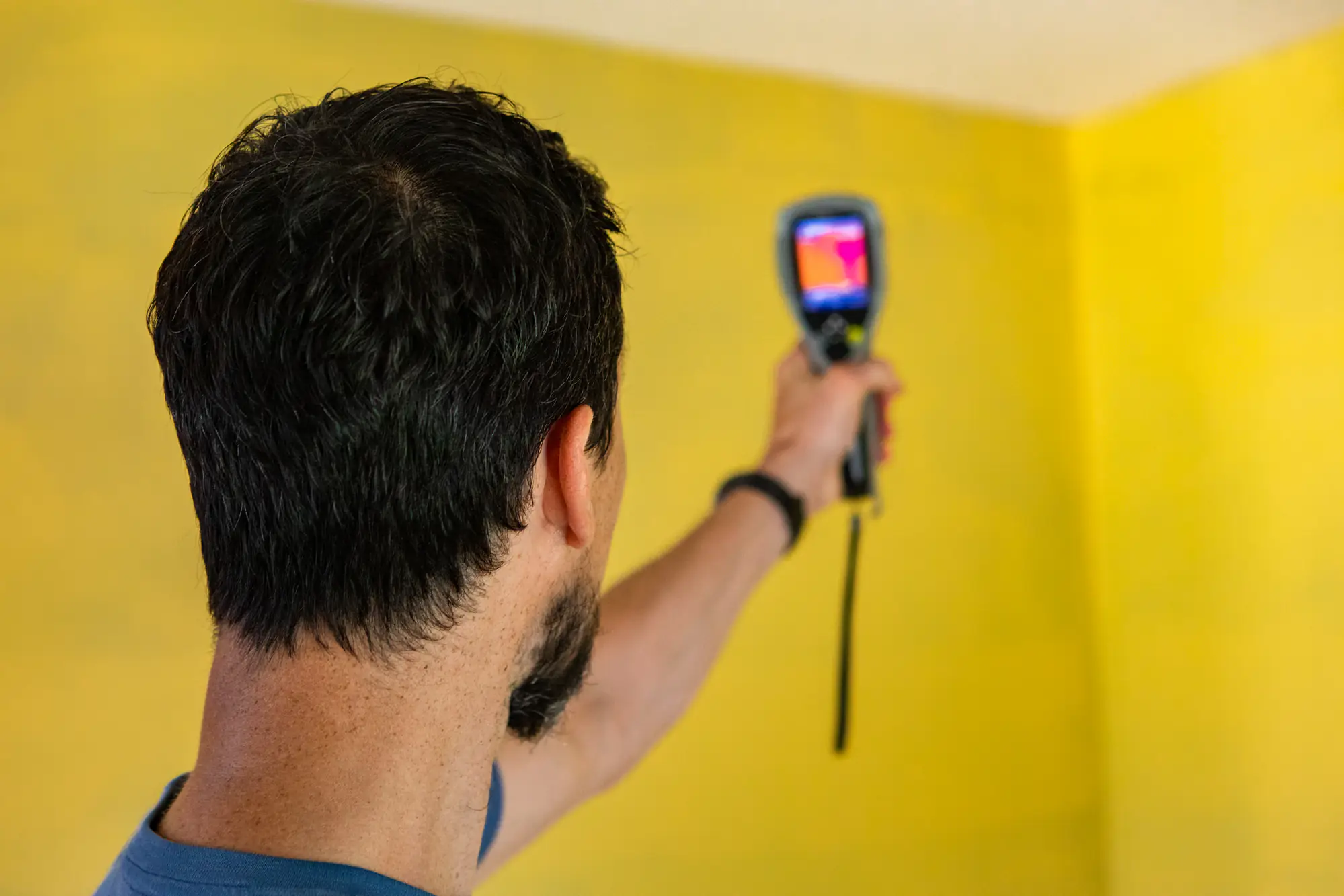
We also use thermal imaging cameras and moisture meters to detect temperature differences and moisture trapped inside walls. These tools identify problem areas where mold is likely growing even when you can’t see it yet.
If thermal imaging shows a suspicious area, we can take targeted samples or recommend further investigation. The combination of air sampling, moisture detection, and thermal imaging gives you a complete picture of what’s happening in your home—including the problems you can’t see with your eyes.
The inspection itself usually takes a few hours depending on the size of your property and how many areas need to be tested. We’re thorough because missing a problem area defeats the purpose of testing in the first place.
Lab analysis takes 3-7 business days. The samples go to a certified laboratory that specializes in residential mold testing, and they analyze each sample to identify specific mold species and measure spore concentration levels.
Once results come back, we compile everything into a detailed report with photos, lab findings, moisture readings, and our professional interpretation of what it all means. You’ll get clear answers about whether you have a problem, how serious it is, and what you should do next.
Laboratory analysis can identify specific mold species including black mold (Stachybotrys), Aspergillus, Penicillium, Cladosporium, and dozens of other common indoor molds. Each species has different health implications and growth patterns.
Knowing exactly which mold you’re dealing with matters because some species are more toxic than others. Black mold, for example, produces mycotoxins that can cause serious respiratory issues and other health problems. Other molds are less dangerous but still indicate moisture problems that need to be addressed.
The lab report shows you which species are present, their concentration levels, and whether those levels are normal or elevated compared to outdoor air. That specificity helps you understand the actual risk and make informed decisions about remediation instead of guessing based on what something looks like.
If you can see mold, you already know you have a problem. The question is whether testing still makes sense, and often it does.
Testing identifies the specific species, which tells you how serious the health risk is and whether you’re dealing with toxic mold. It also measures spore concentration in the air, which shows you how far the problem has spread beyond the visible growth.
Most importantly, professional testing creates documentation for insurance claims. Many insurance policies require certified testing results before they’ll cover remediation costs. Without that documentation, you might be paying out of pocket for cleanup that your policy would have covered. Testing also establishes a baseline so you can verify that remediation was successful and spore levels returned to normal after the work is done.
Other Services we provide in Lakeside